
Ceylon Tea: History, Varieties and the EverLeaf Premium Tea Experience
Tea is one of the most widely consumed beverages in the world after water. Valued for its flavour, aroma and cultural importance, tea is also a major source of export income and employment for producing countries such as China, India, Kenya, Sri Lanka, Turkey, Vietnam and Iran.
Among these countries, Sri Lanka holds a special place in the global tea industry. The country is internationally recognised for cultivating the Camellia sinensis plant and exporting premium-quality tea under the distinctive name “Ceylon Tea.”
Known for its authentic flavour, refreshing aroma and exceptional quality, Ceylon Tea has become one of Sri Lanka’s most celebrated agricultural products.
The Origin and Global Importance of Tea
Tea is produced primarily from the leaves and buds of the Camellia sinensis plant. It is believed to have originated in Southeast Asia, particularly in regions associated with southern China. Today, tea is cultivated in more than 30 countries across tropical and subtropical regions.
Tea has been consumed for centuries and has become an important part of the daily lives, traditions and hospitality practices of many cultures. Global tea production and consumption amount to billions of kilograms annually, demonstrating the beverage’s significant economic and social importance.
Although all traditional teas are produced from the same plant, variations in growing conditions, harvesting and processing methods create different colours, aromas and flavour profiles.
The Main Types of Tea
Tea is generally classified according to the processing method used after the leaves are harvested. The three major varieties are black tea, green tea and oolong tea.
The most important difference between these teas is the level of oxidation. Oxidation is a natural process that begins when enzymes in the tea leaves react with oxygen. This process influences the colour, strength, aroma and taste of the finished tea.
Black Tea
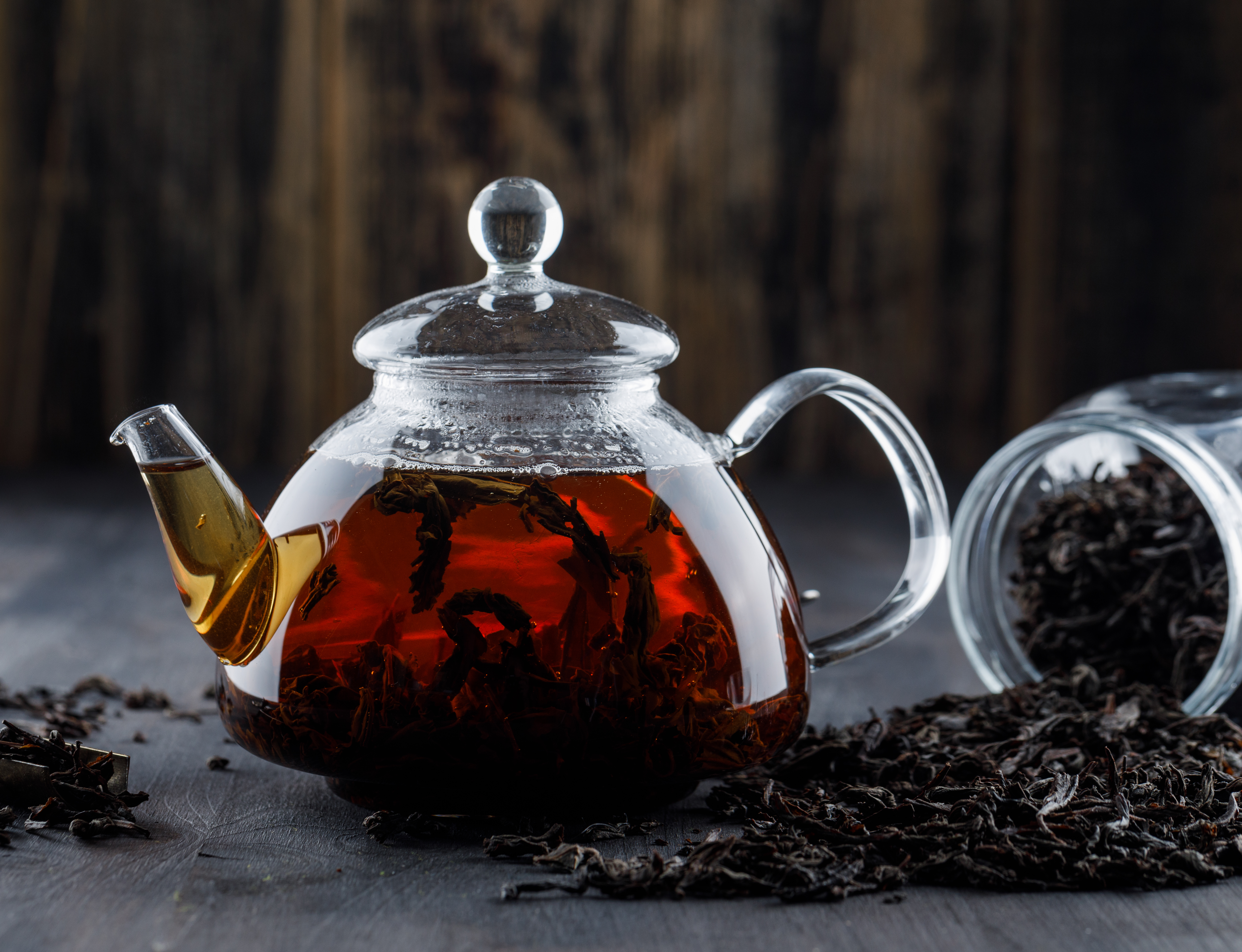
Black tea undergoes full oxidation before it is dried. During this process, the leaves develop a darker colour, stronger aroma and richer flavour.
Black tea represents the largest proportion of global tea production and is widely consumed in Western countries. Sri Lanka is internationally recognised as a leading producer of high-quality orthodox black tea.
Ceylon black tea can vary from light and aromatic to strong and full-bodied, depending on the region, elevation, climate and season in which it is grown.
Green Tea
Green tea is produced by heating the freshly harvested leaves soon after plucking. This process prevents significant oxidation and helps the leaves retain their natural green colour, fresh aroma and delicate taste.
Green tea is especially popular in Asian countries and has gained worldwide recognition due to its naturally occurring antioxidants and plant compounds.
Oolong Tea
Oolong tea is partially oxidised, placing it between green tea and black tea in terms of processing, colour and flavour.
The oxidation level of oolong tea can vary according to the desired characteristics of the finished product. It is particularly appreciated for its complex aroma, smooth body and balanced flavour.
Herbal Tea
Herbal tea is prepared using herbs, flowers, spices, fruits, roots or other botanical ingredients. Unlike traditional black, green and oolong teas, herbal teas do not necessarily contain leaves from the Camellia sinensis plant.
They are enjoyed for their natural aromas, distinctive flavours and soothing drinking experience.
Flavoured Tea
Flavoured tea combines a traditional tea base with carefully selected natural or nature-identical flavours, herbs, spices, flowers or fruits. These ingredients create distinctive blends designed to suit different tastes and occasions.
Handmade Tea
Handmade tea is produced using careful, small-scale processing techniques that require greater attention during plucking, rolling, shaping and drying.
These exclusive teas often feature distinctive appearances, delicate aromas and unique flavour profiles. Their careful craftsmanship makes them attractive to speciality tea consumers and premium international markets.
The History of Ceylon Tea in Sri Lanka
The commercial history of tea in Sri Lanka began in 1867 when James Taylor, a British planter, established the country’s first successful commercial tea plantation at the Loolecondera Estate in Kandy.
The success of the Loolecondera plantation encouraged other estates to diversify into tea cultivation. Over time, tea plantations expanded throughout Sri Lanka’s central highlands and other suitable growing areas.
Tea eventually became one of the country’s most important agricultural exports and a major contributor to the national economy.
The name “Ceylon Tea” originated during the period of British colonial administration. Although the country officially became Sri Lanka in 1972, the term “Ceylon Tea” was retained because of its strong international reputation and association with premium-quality tea.
Why Is Ceylon Tea Unique?
Sri Lanka’s diverse geography and climate provide ideal conditions for cultivating high-quality tea. Rainfall, humidity, elevation, temperature, soil composition and seasonal winds influence the flavour and aroma of tea grown in different parts of the country.
Tea cultivation in Sri Lanka takes place across low, medium and high elevations. Each elevation produces tea with its own distinctive characteristics.
- High-grown Ceylon tea: Generally light, delicate and highly aromatic.
- Mid-grown Ceylon tea: Often offers a balanced flavour, pleasant aroma and medium strength.
- Low-grown Ceylon tea: Usually darker, stronger and fuller-bodied.
This diversity enables Sri Lanka to offer an extensive selection of teas for different consumer preferences and international markets.
Major Tea-Growing Regions in Sri Lanka
Sri Lanka has seven internationally recognised tea-growing regions:
- Nuwara Eliya
- Dimbula
- Uva
- Uda Pussellawa
- Kandy
- Ruhuna
- Sabaragamuwa
The climate, elevation, soil and seasonal weather patterns of each region influence the taste, colour, strength and aroma of the finished tea.
Nuwara Eliya teas are generally light and delicate, while teas from Ruhuna and Sabaragamuwa are often darker and fuller-bodied. Uva tea is recognised for its distinctive seasonal character, while Kandy produces teas with a balanced and robust flavour.
This regional diversity is one of the main qualities that distinguishes Ceylon Tea in the global marketplace.
The Economic Importance of Tea to Sri Lanka
The tea industry plays an important role in Sri Lanka’s economy. It generates valuable export revenue and supports the livelihoods of plantation employees, smallholder farmers, factory workers, tea brokers, transport providers, packaging companies and exporters.
Sri Lankan tea is exported worldwide in various forms, including:
- Bulk tea
- Loose-leaf tea
- Tea bags
- Flavoured tea
- Herbal blends
- Gift collections
- Handmade speciality tea
- Value-added branded tea products
The industry also promotes Sri Lanka’s agricultural heritage and strengthens the country’s identity in international markets.
The Global Reputation of Ceylon Tea
Ceylon Tea has developed a strong global reputation because of its quality, regional diversity and distinctive flavour profiles.
Its international recognition is supported by Sri Lanka’s long history of tea cultivation and the expertise developed across generations of tea growers, pluckers, manufacturers, brokers, tasters and exporters.
Whether enjoyed as a strong cup of black tea, a refreshing green tea, a soothing herbal infusion or an exclusive handmade blend, Ceylon Tea represents the natural beauty and rich tea heritage of Sri Lanka.
Discover EverLeaf Premium Ceylon Tea
EverLeaf is a premium tea brand by Everbolt Food, bringing some of the finest Ceylon teas to local and international markets.
Inspired by Sri Lanka’s rich tea heritage, EverLeaf offers carefully selected teas created to deliver exceptional flavour, aroma and quality in every cup. Each product is crafted with care to provide consumers with an authentic and memorable Sri Lankan tea experience.
Explore the EverLeaf Tea Collection
The EverLeaf range has been developed to meet different tastes, lifestyles and market preferences.
Premium Ceylon Black Tea
EverLeaf black tea delivers the rich colour, refreshing aroma and distinctive flavour associated with authentic Ceylon Tea. It is an excellent choice for consumers who enjoy a strong and satisfying cup of tea.
Refreshing Green Tea
EverLeaf green tea offers a lighter and more refreshing drinking experience. Its delicate aroma and clean flavour make it suitable for consumers looking for a pleasant everyday beverage.
Naturally Inspired Herbal Tea
EverLeaf herbal teas combine carefully selected botanical ingredients to create aromatic and enjoyable infusions. These teas offer a comforting experience and can be enjoyed at different times of the day.
Aromatic Flavoured Tea Blends
EverLeaf flavoured teas combine quality tea with carefully selected flavours, herbs, fruits, flowers or spices. These creative combinations offer distinctive aromas and exciting flavour profiles for modern tea consumers.
Exclusive Handmade Teas
EverLeaf handmade teas are crafted with careful attention to appearance, aroma and flavour. These premium speciality teas celebrate the skill and creativity of Sri Lankan tea craftsmanship and provide an exclusive experience for discerning tea lovers.
EverLeaf Tea for Local and International Markets
EverLeaf is committed to sharing the authentic taste of Ceylon Tea with consumers in Sri Lanka and around the world.
The brand’s diverse product selection makes it suitable for individual consumers, retailers, distributors, hospitality businesses, corporate gifting and international buyers seeking quality Sri Lankan tea products.
From traditional Ceylon black tea to contemporary flavoured blends and exclusive handmade teas, EverLeaf brings together heritage, craftsmanship and modern consumer preferences.
Experience the Authentic Taste of Sri Lanka
Every cup of Ceylon Tea tells a story of Sri Lanka’s mountains, rainfall, fertile soil, tea estates and generations of tea-making expertise.
EverLeaf continues this story by offering a carefully developed range of premium teas for local and international consumers. Whether you prefer the bold character of black tea, the freshness of green tea, the natural aroma of herbal tea or the uniqueness of a handmade blend, EverLeaf offers a tea for every occasion.